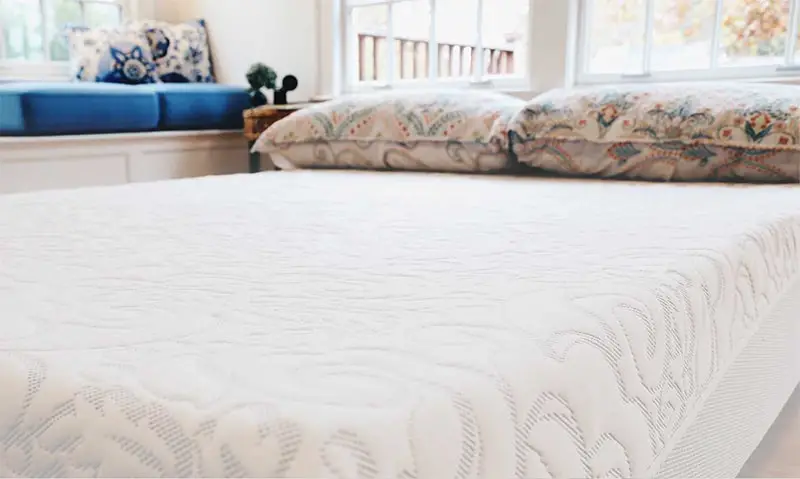
We spend roughly one-third of our lives in bed, yet the surface we sleep on often receives surprisingly little care. When was the last time you gave your mattress a deep cleaning? If you can’t remember, you are not alone. While we diligently wash our clothes and scrub our floors, the mattress often gets ignored until lingering odors or visible stains appear. The good news is that maintaining a hygienic sleeping environment doesn’t require a professional crew or expensive equipment. With a few simple steps and little effort, you can significantly extend the life of your mattress and improve the quality of your sleep.
This comprehensive guide covers the best practices for mattress maintenance, from routine cleaning to handling tough biological stains. Whether you have a brand new mattress or are trying to get a few more years out of an older mattress, these effective methods will ensure your bed remains in good shape. Let’s dive into the best way to achieve a good night’s sleep on a fresh, clean surface.
Why Mattress Care is Crucial for Better Sleep
Your mattress is likely one of the most expensive items in your home. A good mattress is an investment in your health, but without proper cleaning, it can become a reservoir for dead skin cells, dust mites, and sweat. According to the National Sleep Foundation, the cleanliness of your bedroom contributes significantly to your sleep quality.
Over time, a mattress surface can accumulate much dust and microscopic allergens that trigger reactions in allergy sufferers. Furthermore, moisture from bodily fluids can seep deep into the mattress material, potentially degrading the foam or springs. Taking good care of your mattress isn’t just about aesthetics; it’s about hygiene and protecting your investment. A well-maintained mattress supports your back better and smells fresher, leading to better sleep overall.
1. Start with the Basics: Routine Maintenance
First things first: establish a schedule. You don’t need to deep clean every week, but performing a few tasks on a regular basis goes a long way.
Wash Bedding Weekly
Stripping the bed is the first step in your cleaning routine. Remove all sheets, pillow covers, and duvet covers. Toss them in the washing machine using hot water (check care labels first) to kill bacteria and mites. While cold water is great for energy saving and preserving colors, hot water is generally the best way to sanitize linens.
The Power of the Vacuum
While your sheets are washing, grab your vacuum cleaner. It is a good idea to vacuum the entire mattress every time you change your sheets, or at least once a month.
-
Attach the Tool: Use the vacuum’s upholstery attachment. It is designed to be gentle on fabric while providing enough suction to pull dust from the surface of your mattress.
-
Go Slow: Move in slow, overlapping circles. Pay much attention to the seams and crevices where dust mites and crumbs love to hide.
-
Don’t Forget the Sides: Clean the sides and even the box spring if accessible.
2. Deep Cleaning Your Mattress: A Step-by-Step Guide
Even with regular cleaning, your mattress will eventually need a refresh. Here is how to get the best results using simple household items.
Deodorizing with Baking Soda
Baking soda is a miracle worker for mattress care. It neutralizes odors and absorbs moisture.
-
Strip the Bed: Ensure the mattress surface is dry.
-
Apply the Powder: Sprinkle a thin layer of baking soda over the top of your mattress.
-
Add Aromatherapy: For a spa-like touch, mix the baking soda with a few drops of essential oil (lavender is great for sleep) before sprinkling.
-
Wait: Let it sit for at least a few hours. The longer it sits, the more it absorbs lingering odors and oils.
-
Vacuum: Thoroughly vacuum the powder away.
Removing Stains
Mattress stains are inevitable, whether from breakfast in bed or natural body oils. The key is to clean stains as soon as they happen.
-
Biological Stains: For blood, urine, or sweat stains, an enzyme cleaner is the best way to break down the proteins. If you don’t have one, hydrogen peroxide mixed with a little mild dish soap works wonders.
-
General Spills: Blot (don’t rub!) with a clean cloth and warm water. Mild detergent can be used for food or drink spills.
-
The Method: Apply your cleaning solution to a clean cloth, not directly to the mattress. You want to avoid using much water, as saturating the foam can lead to mold. Dab the stain gently.
3. Handling Specific Mattress Types
Not every mattress type is cleaned the same way. Always check the mattress tag for the manufacturer’s instructions.
Memory Foam Mattresses
Memory foam mattresses act like sponges. Never soak them. When cleaning, use a damp cloth and ensure the room has plenty of fresh air to speed up drying. Steam cleaning is often discouraged for memory foam as the heat can damage the cellular structure of the foam.
Innerspring and Hybrid Mattresses
These traditional styles can handle a bit more moisture, but you should still be cautious. The fabric covering is often durable, but the internal springs can rust if they get wet.
4. Protection: The Best Defense
If you want to keep your mattress in tip-top shape, prevention is easier than the cure.
Use a High-Quality Mattress Protector
A high-quality mattress protector is non-negotiable. It acts as a barrier against spills, dead skin, and bed bugs. Waterproof protectors are excellent for preventing sweat stains from reaching the mattress material. Wash the protector whenever you wash your sheets.
Pillow Protectors
Don’t forget your pillows! Pillow protectors zip up under your pillowcases and keep your pillows free from yellow stains and allergens.
5. Prolonging the Mattress’s Lifespan
An average mattress lasts 7-10 years, but good care of your mattress can extend this.
Rotate and Flip
To avoid sagging and permanent indentations:
-
Rotate: Spin your mattress 180 degrees (head to foot) every 3 to 6 months.
-
Flip: If you have a double-sided mattress, flip it over. Most modern mattresses are one-sided, so check your manufacturer’s instructions.
Proper Support
Ensure you have a supportive mattress foundation. A broken box spring or widely spaced slats can ruin even the best mattress.
6. Common Mistakes to Avoid
In our quest for a clean mattress, we sometimes make errors that cause damage.
-
Soaking the Bed: Using too much water is the #1 enemy. It traps moisture inside, leading to mold.
-
Harsh Chemicals: Bleach can damage the fibers of the mattress cover. Stick to vinegar, baking soda, and hydrogen peroxide.
-
Ignoring Spills: Letting a liquid sit allows it to seep deep into the entire mattress.
-
Dry Cleaning: The chemicals used in dry cleaning are often too harsh for mattress fabrics.
7. Natural Refreshing Techniques
Sometimes, the simple ways are the best.
-
Sunlight: UV rays are a natural disinfectant. If you can, drag your mattress into direct sunlight on a dry day. It kills bacteria and dries out moisture.
-
Air it Out: Every time you change your sheets, leave the mattress bare for an hour. Open a window to let fresh air circulate. This reduces moisture buildup from the previous night’s sleep.
Frequently Asked Questions (FAQs)
Q: How often should I deep clean my mattress?
A: Aim for a deep clean (baking soda and vacuuming) every 6 months. However, spot cleaning should be done immediately upon noticing a stain.
Q: Can I use a steam cleaner?
A: It depends on the mattress type. Steam cleaning is effective for killing dust mites and refreshing fabric, but the heat and moisture can damage memory foam mattresses. Always consult the care labels first.
Q: What is the best way to remove old yellow stains?
A: Yellow stains are usually sweat stains or oil accumulation. A mixture of hydrogen peroxide, baking soda, and a drop of dish soap applied to the stain (blot, don’t scrub) is often effective. Let it dry, then vacuum.
Q: How do I know if I need a new mattress?
A: If you wake up with pain, notice visible sagging, or if the mattress is over 8-10 years old and noisy, it might be time for a replacement. No amount of cleaning can fix a broken structure.
Q: Do essential oils actually help?
A: Yes, they are a good idea! Oils like tea tree have antibacterial properties, while lavender promotes relaxation. Just ensure you mix them with baking soda rather than applying oil directly to the fabric to avoid staining.
Conclusion
Keeping your bed in tip-top shape doesn’t have to be a chore. By integrating these simple steps into your cleaning routine—washing linens in hot water, using a mattress protector, and neutralizing odors with baking soda—you ensure a healthier sleep environment. Remember, a clean mattress is the foundation of a good night’s sleep.
Whether you are dealing with common mistakes like over-wetting or just want to freshen up the surface of your mattress, these top tips in cleaning keeping your mattress in tiptop shape will guide you. Treat your mattress with the same care you treat your clothes, and it will reward you with years of comfort and better sleep. So, take a moment this weekend to strip the bed, open the windows, and give your mattress the attention it deserves. Your body (and your nose) will thank you.